
The Grammar of Horror
Science Fiction, Fantasy and Horror Genre and Rating GuideThis flow traces horror's movement from supernatural encounter toward psychological, social, and bodily forms of fear.
increasing Bearing strength in each event
 decreasing
Bearing strength in each eventdecreasingSupernatural Fear
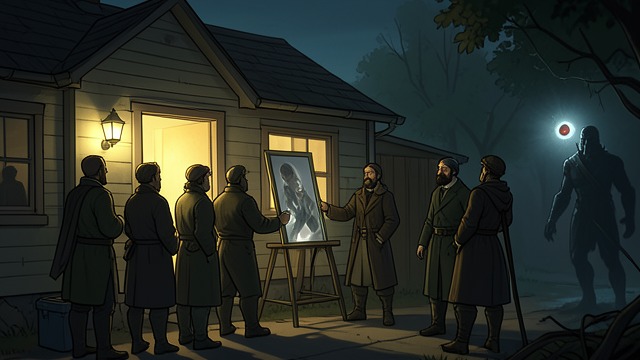
The Unseen Threat
Ghosts and Curses
Early horror materials often organize fear around ghosts, haunted houses, forbidden knowledge, curses, and uncanny intrusions.
Violation of Order
The supernatural becomes frightening because it unsettles ordinary assumptions about life, death, place, and identity.
Horror begins with the return of what reason cannot comfortably contain.
Body and Mind
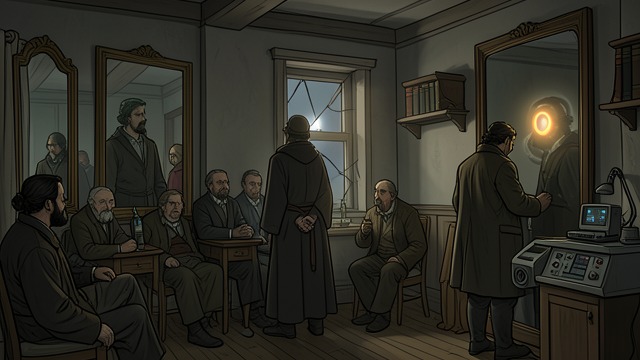
Fear Made Intimate
Physical Threat
Horror expands into disease, transformation, violence, predation, and the vulnerability of the body.
Psychological Pressure
It also turns inward, exploring guilt, obsession, memory, isolation, and unstable perception.
The guide's range shows that horror is not limited to external monsters; it can arise from the self and its surroundings.
Social Horror
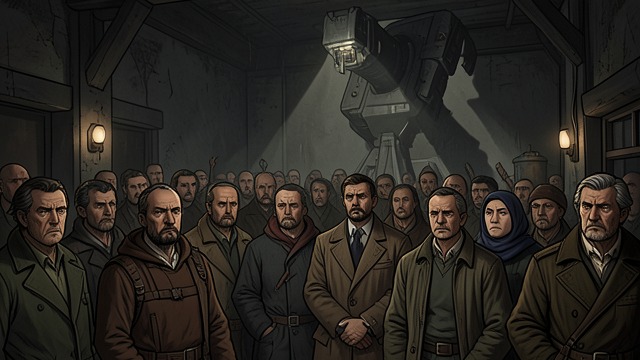
Systems of Dread
Collective Conditions
Later horror often locates fear in institutions, families, communities, technology, war, and environmental collapse.
Enduring Uncertainty
The source of terror may be visible, yet its consequences remain difficult to control. Horror becomes a way to examine structures that ordinary life prefers not to see.
The genre deepens from fright into diagnosis.
among the earliest horror entries
during the modern horror listings
near the later horror entries
